In September 2026, specialists from BRGM, France’s geological survey, met Uzbek institutions to work on the geothermal potential of the Fergana Valley.
Tashkent: the Institute of Hydrogeology and Engineering Geology
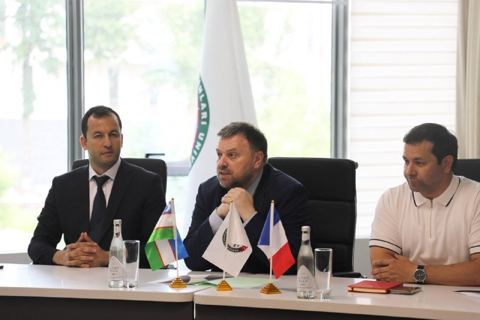
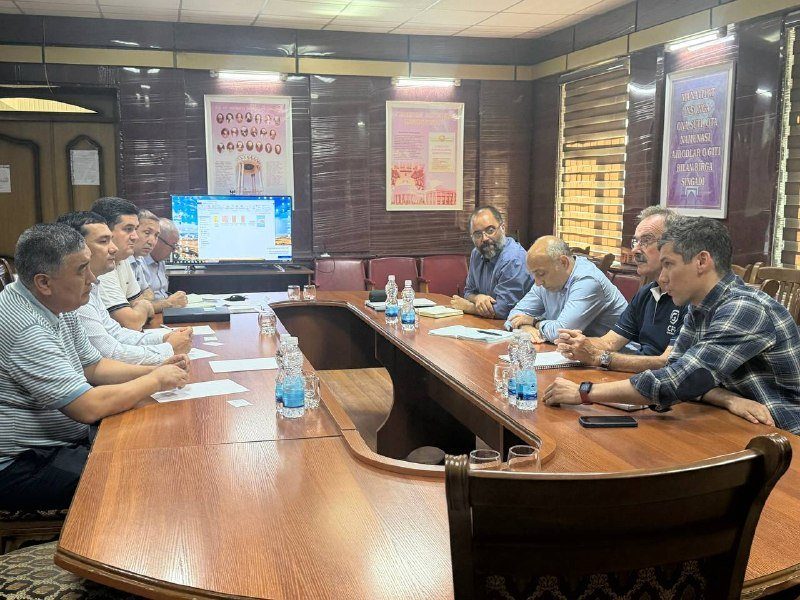
On 10 September, representatives of BRGM and Expertise France, France’s public agency for international technical cooperation, visited the Institute of Hydrogeology and Engineering Geology (HYDROENGEO) to exchange views on the deep geothermal energy potential of the Fergana Valley and discuss cooperation.
Institute staff briefed the visitors on their research on geothermal waters, the data available and studies in promising areas. The two sides discussed how to study deep geothermal resources in the valley, assess their energy potential, apply modern technology and use geothermal water efficiently. They also talked about sharing data and experience and about future joint projects.
Kokand: the Fergana Geophysical Expedition
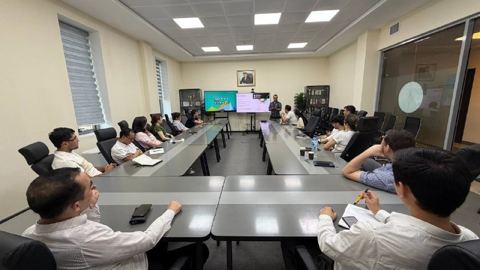
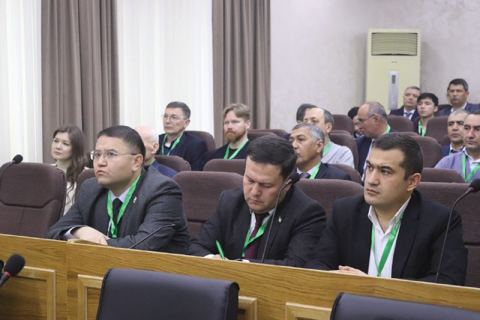
As part of joint research by geologists from the University of Geological Sciences and BRGM, a meeting followed at the Fergana Geophysical Expedition, the Kokand-based branch of Uzbekgeofizika, which reported it on 17 September.
The meeting covered studying the valley’s geothermal energy potential, analysing and systematising existing data, and promising ways to use this energy. Experts and expedition specialists paid particular attention to identifying the geothermal potential of areas near Fergana, Kokand, Andijan and Namangan.
Why it matters
The Fergana Valley already has several known thermal water sites, from the Chortoq and Oltiariq sanatoriums to the Chust–Pop wells, and in 2025 Uzbekgeofizika began feasibility work on a geothermal pilot at a deep well in Kokand. Bringing that scattered data together is the first step towards knowing where deep geothermal energy is worth developing.